


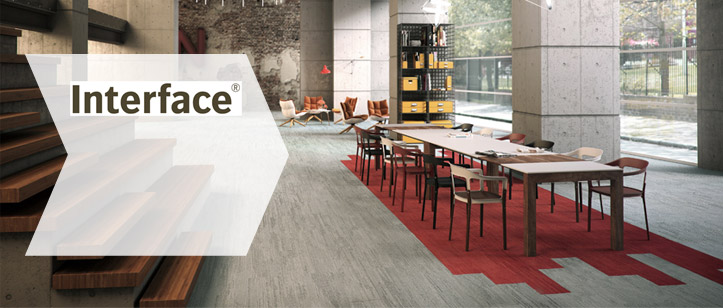
What you install and how you install it can make a big difference to how easy a carpet tile fitting is to complete and to how the end result can look. Save mess and waste with adhesive Tactiles, avoid adhesives at all, create more natural looks with odd shaped tiles; there are plenty of options to consider getting the perfect modular flooring installation into your office, retail store, healthcare property or home.

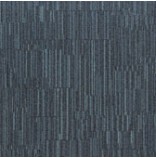
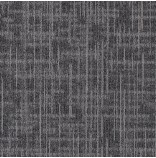
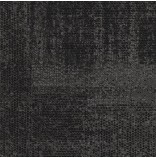
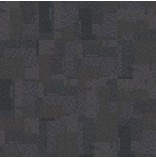
Gone are the days when carpet tiles were all square, 50x50cm and only available in blues or greys, today tiles come in a huge range of colours to mix and match into abstract patterns and designs as well as all kinds of shapes and sizes. First square carpet tiles became rectangles to create monolith or parquet patterns, next they evolved to biomimicry with a huge range of tile sizes and colour shades used on a single floor to create a more naturally patterned environment that also saved on waste. Think about all the things you can do before you buy your carpet tiles!
If you want to try DIY installation free lay carpet tiles are ideal; though we always recommend using a professional carpet tile installer to ensure the best results! Free lay uses the same technique as with standard tiles but do not require adhesives for a much less messy installation which is easily rotated and replaced.
Another useful innovation is Interface’s Tactiles; little plastic adhesive squares that reduce adhesive waste and make the whole job cleaner and quicker. Even standard liquid adhesives offer some great features like anti-microbial agents.
Clean the floor then use chalk and a measuring tape to draw lines corner to opposite corner to find the centre of the room. Next draw lengthwise and width wise chalk lines at the centre to guide your tile laying. Lay a test run without adhesive along the width wise line and ensure everything looks like it will fit straight to the walls.
Start laying tiles at the centre, applying adhesives smoothly to the floor leaving space for it to spread to the edges without spilling onto the neighbouring tile, and ensure a strong contact by pushing down across the tile area. As you reach the edges you will usually need to cut carpet tiles down to fit in the remaining space carefully using a sharp craft knife and metal ruler or piece of wood for a straight cut.
For all your commercial carpet tile requirements take a browse through our online carpet tile store where you will find a wide range of modular flooring.